Leave Your Message
Reliable communication and power transmission modules for smart electric utility systems.
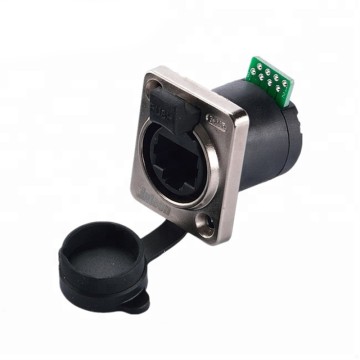
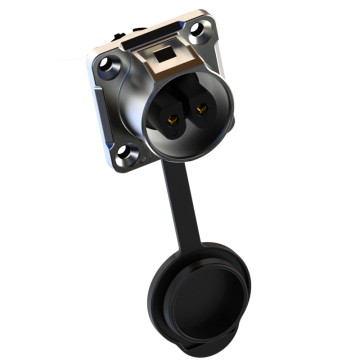
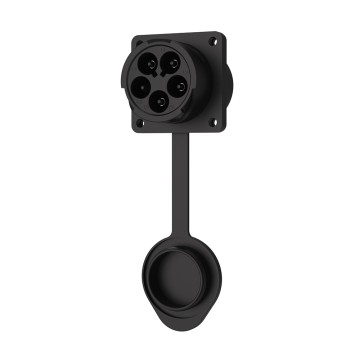
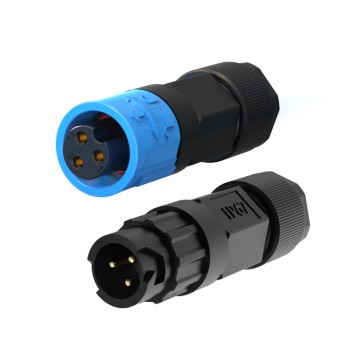
The modernization of the global electrical grid has accelerated the deployment of smart electric meters. No longer simple consumption-recording devices, modern smart meters act as edge computing nodes in smart grids. They monitor power quality, transmit real-time telemetry, manage remote disconnections, and interface directly with local renewable energy resources like solar arrays and energy storage systems (ESS). As these devices become more advanced, the demand for highly reliable, ruggedized male female connectors for smart electric meters has skyrocketed.
Within a smart meter, the male-female connection interface is the fundamental bridge between the high-voltage power lines and the low-voltage communication modules. In industrial and commercial applications, these connectors must handle significant thermal stress, electrical noise, and environmental challenges. Whether transmitting clean data over RS485/Ethernet interfaces or routing high-current mains power, the physical integrity of the terminal contact determines the system's overall uptime. If a connector fails due to humidity, corrosion, or vibration, the utility provider loses data synchronization, resulting in costly maintenance dispatches and potential billing discrepancies.
Global utility providers are pivoting towards modular smart meters. Rather than replacing an entire meter when communication protocols upgrade (e.g., from 4G to 5G or NB-IoT), technicians simply swap the communication module. This modularity relies entirely on robust, high-mating-cycle male-female board-to-board and wire-to-board connectors that maintain low contact resistance over decades of deployment in harsh field environments.
Unlike standard consumer electronics connectors, male-female connectors deployed in smart electric meters must meet strict industrial-grade standards. These components are expected to remain operational in the field for 15 to 20 years without degradation. Below are the core technical demands shaping their design:
Smart meters are often installed outdoors, exposing them to rain, high humidity, and dust. Connectors must offer IP65, IP67, or even IP68 sealing ratings to prevent moisture ingress from causing short circuits or contact oxidation.
For power line monitoring and distribution, connectors must carry high current loads (often up to 40A or more in residential hubs, and much higher in industrial substations) without generating excessive heat.
Industrial environments and smart meters installed near machinery or high-traffic roads face constant mechanical vibrations. Quick-lock, bayonet, or screw-lock mating mechanisms prevent accidental disconnection.
Jnicon Group is a premier high-tech enterprise specializing in the design, development, and manufacturing of advanced connection solutions. Our extensive product portfolio covers industrial connectors, high-current connectors, smart controllers, 5G base station interfaces, LED lighting connectors, marine and yacht connectivity systems, glass sintered hermetic connectors, and communication cables.
Our engineered solutions are trusted globally across diverse and demanding sectors, including new energy vehicles (NEVs), industrial energy storage systems (ESS), electric vehicles, solar inverters, AI-driven automation systems, 5G telecommunication grids, aerospace, oil exploration/production, high-speed rail networks, metro systems, and maritime shipbuilding.

The group covers over 20,000 sqm, with a total building area of more than 30,000 sqm.
We operate five specialized subsidiary companies to provide vertically integrated manufacturing and design services:

Both our Shenzhen and Hunan manufacturing facilities are recognized as National High-Tech Enterprises. Our elite R&D team comprises 55 engineers, including over 20 senior engineers, 25 mid-level engineers, and 10 assistant engineers—all graduated from prestigious universities in China.
SEND INQUIRY
In smart electric meter designs, connectors are deployed in several critical subsystems. Understanding these specific application interfaces highlights why choosing the correct male-female connector is vital for grid reliability.
Smart meters rely on continuous communication to send usage data to utility companies and receive firmware updates or load-shedding commands. Communication modules (utilizing cellular, power line communication [PLC], or RF mesh networks) require high-density, low-profile male-female board-to-board connectors. These connectors must maintain signal integrity, preventing data packets from being corrupted by the electromagnetic interference (EMI) generated by the high-voltage lines inside the meter housing. Gold-plated contacts are standard here to prevent long-term oxidation in high-humidity climates.
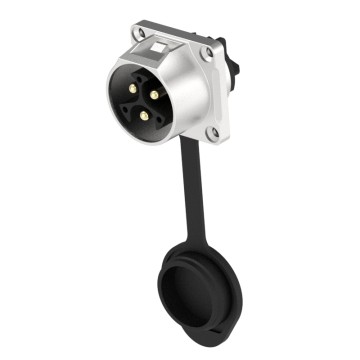
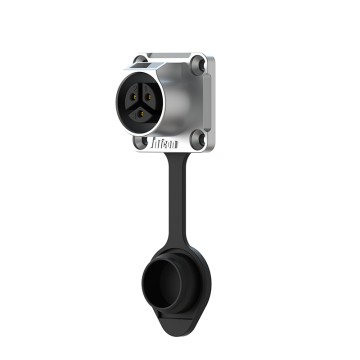
Advanced smart meters often interface with external current transformers (CTs), temperature sensors, or tamper-detection switches. These connections require quick-disconnect, waterproof circular connectors, such as the M12 waterproof connector or MJ20 series metal socket connectors. A secure push-lock or screw-lock mechanism ensures that field technicians can quickly install or replace sensors without risking a loose wire, which could lead to inaccurate current readings or false tamper alarms.
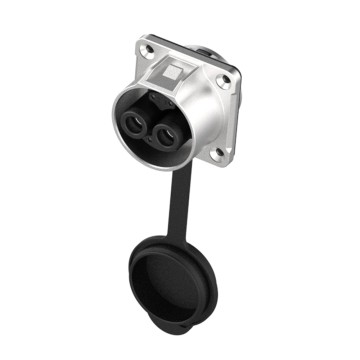
With the rise of localized renewable energy generation, smart meters are increasingly positioned at the boundary between the grid and private solar/ESS systems. Connectors like the MJ20 Power Solar IP67 Metal Socket and the M40 High Current Bayonet Connector are designed to handle the high DC currents generated by photovoltaic systems and battery storage units, providing safe, reliable power routing through the meter's monitoring circuits.
With our advanced sealed air insulated connection systems, there is no risk of gas leakage because the internal and external pressures of the cabinet remain perfectly balanced. Throughout the connector's lifecycle, there is no need for pressure monitoring or gas refilling, significantly reducing maintenance overhead for utility operators.
As smart cities expand, the density of connected devices increases. The smart meter of tomorrow will incorporate edge AI to detect appliances based on their electrical signatures. This requires connectors to handle higher frequency signals while maintaining the same physical footprint. Manufacturers are shifting toward hybrid connectors that combine power contacts and high-speed data pins within a single waterproof housing. Additionally, the integration of eco-friendly materials and compliance with strict environmental regulations (such as RoHS and REACH) are shaping the future of industrial connector manufacturing.
Innovation and intellectual property are central to our development strategy at Jnicon Group. To date, we have filed nearly 300 patents, with an average of over 80 new patent applications annually since 2019. Our annual R&D investment reaches approximately RMB 10 million, underscoring our position as a key national technology enterprise. We operate state-of-the-art testing laboratories to ensure all products meet global regulatory standards, including UL, TUV, CE, and RoHS.

Our manufacturing facilities are ISO9001 and ISO14001 certified, ensuring strict adherence to international quality management and environmental protection systems.

Every product undergoes rigorous electrical, mechanical, and environmental testing, including salt spray, IP ratings, and mating cycle endurance tests.
Our R&D team can design and prototype customized male-female connectors tailored to your smart meter's unique spatial and electrical requirements.
Since the establishment of Shenzhen Jnicon Technology Co., Ltd. in late 2013, the Group has experienced rapid and consistent growth. Since 2018, annual revenue growth has exceeded 200%, making Jnicon one of the fastest-growing companies in the domestic connector industry. By 2023, the Group had nearly 500 employees, with annual revenue reaching approximately RMB 300 million and total output value exceeding RMB 400 million.
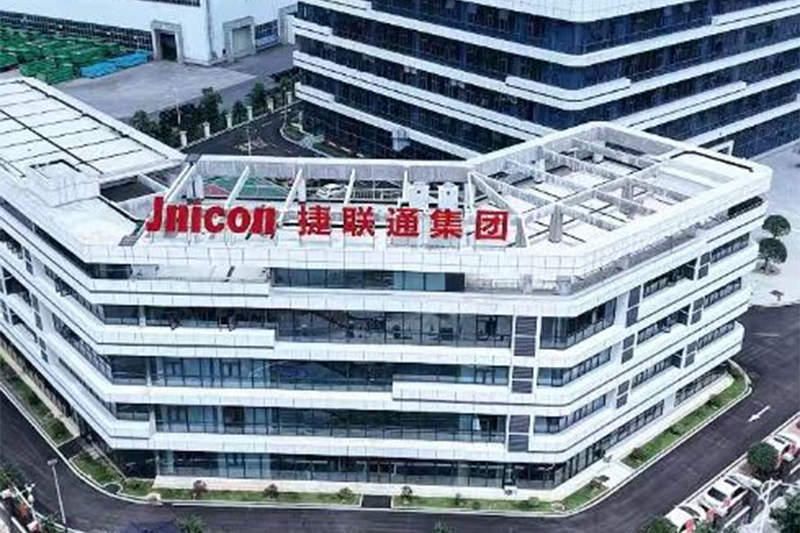
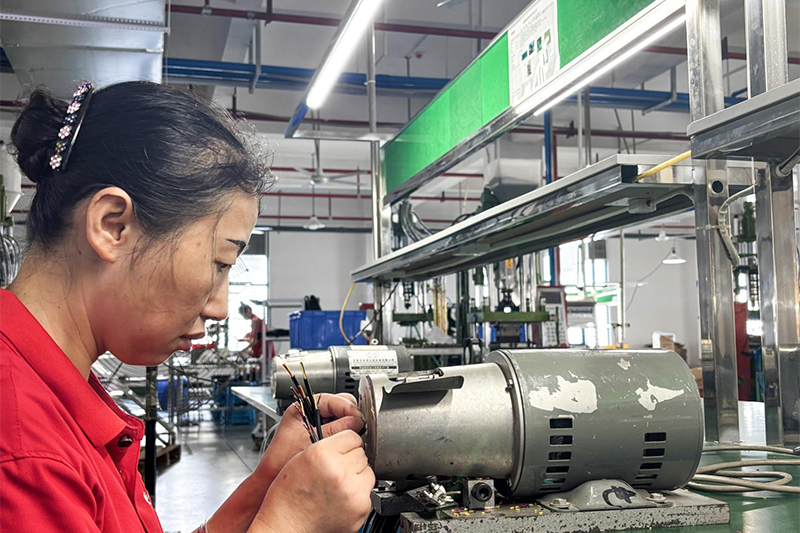
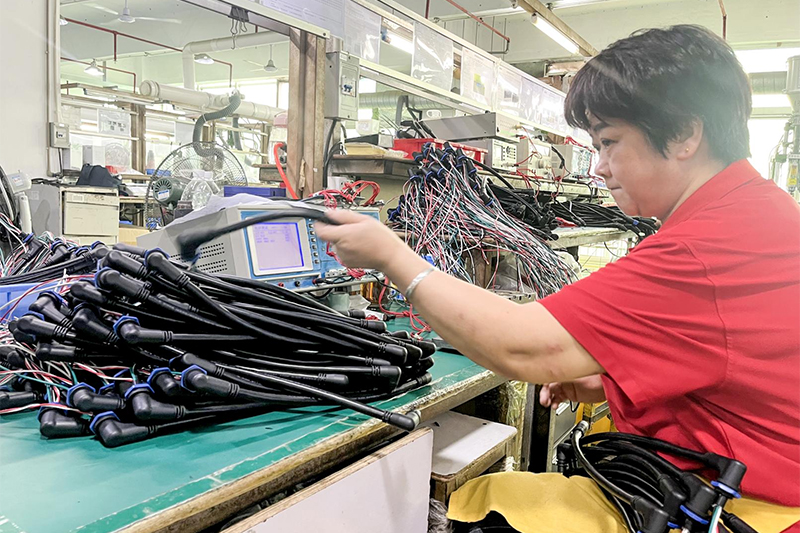
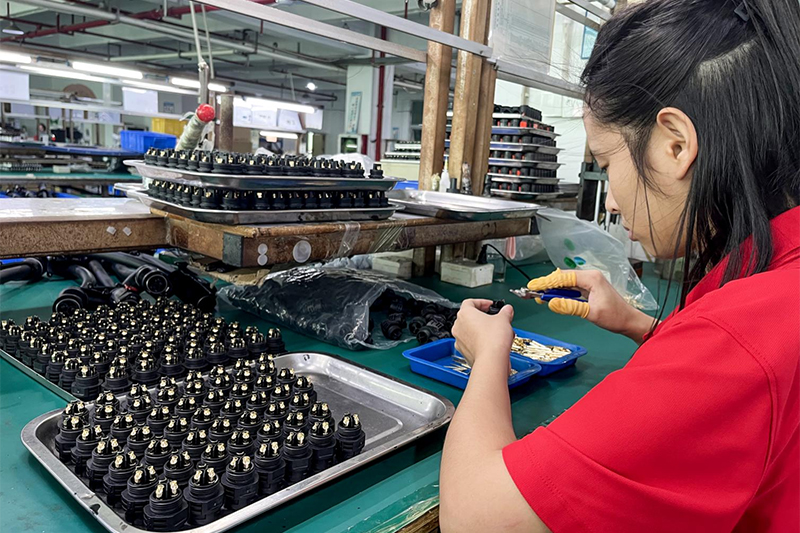
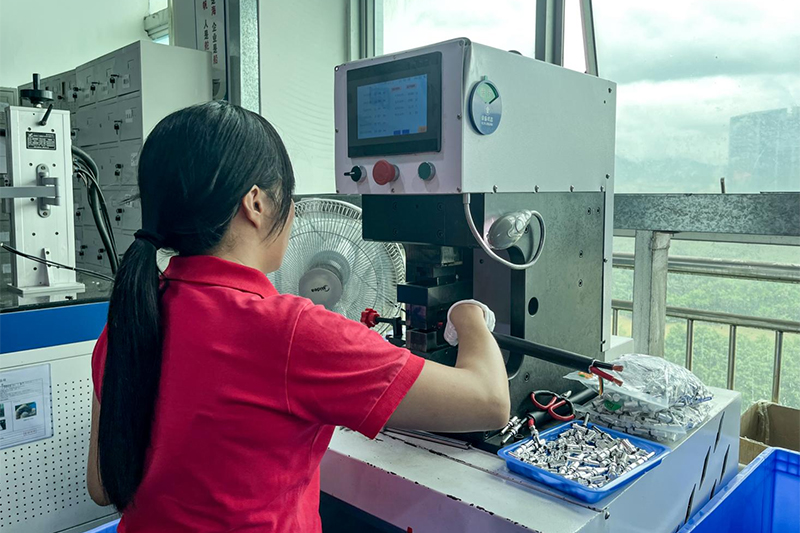
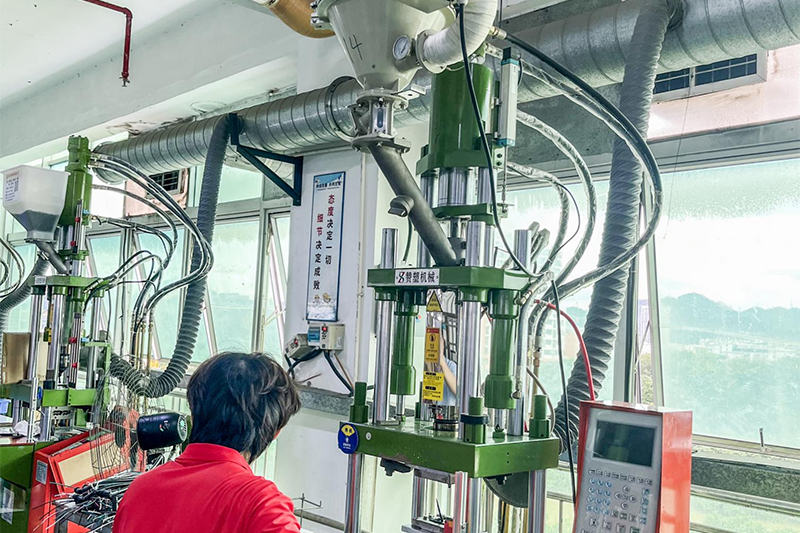
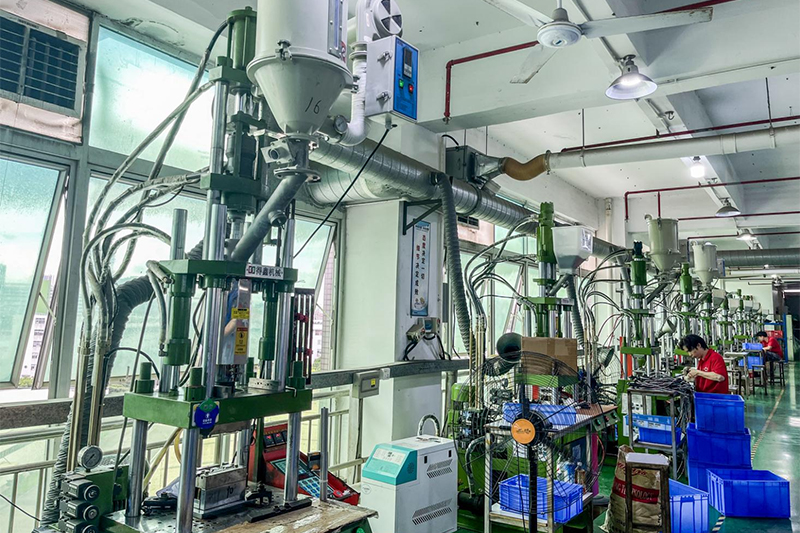
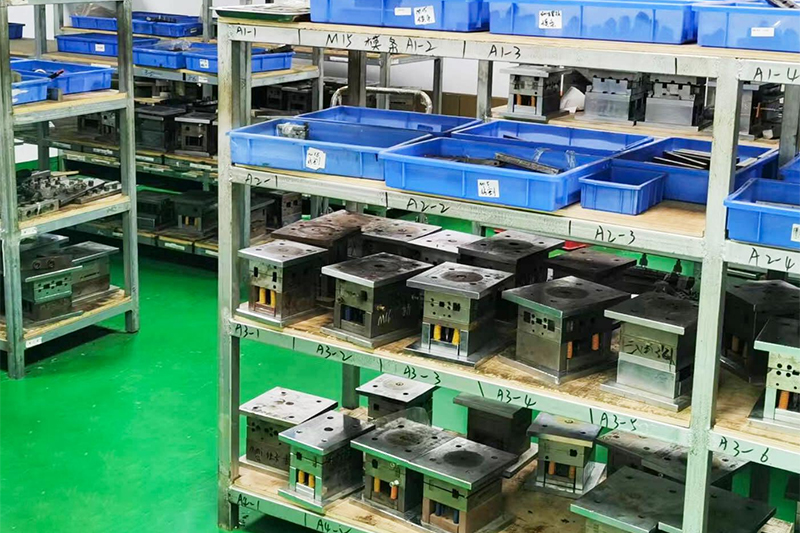
In late 2021, the Group's board of directors approved a strategic investment of RMB 400-500 million in Shaoyang, Hunan Province, to expand the industrial chain and establish a new headquarters economy. The project covers a self-owned construction area of around 30,000 square meters and is expected to generate annual output exceeding RMB 1-billion. Upon full completion, it will become the largest high-current connector manufacturing base in China, supporting the Group's goal of listing on the ChiNext Board by 2029.


Explore our full catalogue of waterproof power, signal, and hybrid connectors engineered for reliability in the field.