
Leave Your Message
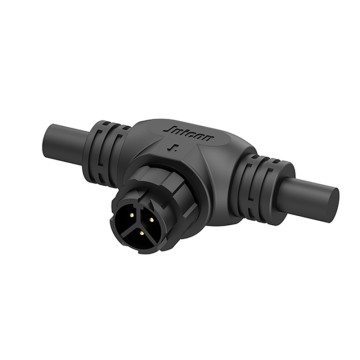
The global landscape of home appliances is undergoing a profound transformation. Traditional, isolated home appliances are rapidly being replaced by interconnected, intelligent, and sensor-driven smart home ecosystems. Today's smart refrigerators, automated ovens, robotic vacuum cleaners, HVAC systems, and outdoor smart lighting fixtures are no longer simple mechanical-electrical devices. They are complex IoT nodes equipped with microprocessors, sensitive communication modules, high-resolution touch displays, and wireless transceivers.
This technological leap has completely redefined the requirements for internal and external electrical wiring. Traditional electrical wires were designed primarily to carry basic AC current without overheating. In contrast, modern electrical wires for smart home appliances must act as hybrid conduits. They must deliver high-efficiency power while simultaneously preserving signal integrity for data transmission, resisting electromagnetic interference (EMI), and ensuring absolute safety in compact, densely packed device enclosures.
Smart home appliances are frequently subjected to challenging environments. Kitchen appliances encounter high humidity, grease, and extreme heat. Outdoor smart devices, such as robotic lawnmowers, security cameras, and architectural lighting, are constantly exposed to UV radiation, rain, dust, and temperature fluctuations. Consequently, the wiring and connectors integrated into these systems must meet stringent industrial-grade specifications:
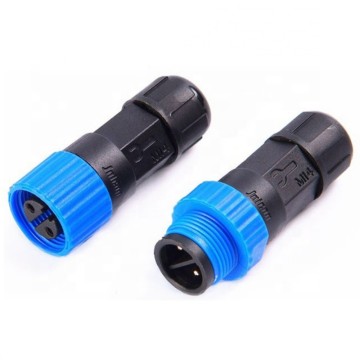
Waterproofing and Environmental Sealing (IP67/IP68): Water ingress is the primary cause of electrical failure in outdoor and kitchen appliances. Utilizing advanced silicone sealings and robust locking mechanisms, connectors such as the M15 and M16 series ensure hermetic isolation. These components prevent moisture from reaching the conductive copper cores, avoiding short circuits and corrosion.
Thermal Management and Flame Retardancy: With smart appliances operating continuously or on standby mode, electrical wires must utilize insulation materials that offer superior thermal resistance (often rated up to 105°C or higher) and comply with UL94 V-0 flame-retardant standards. This minimizes fire hazards under overload conditions.
Electromagnetic Shielding (EMI/RFI protection): Because smart appliances communicate via Wi-Fi, Bluetooth, or Zigbee, power cables can emit electromagnetic noise that disrupts these wireless signals. High-quality smart home wiring harnesses incorporate specialized shielding layers to block interference, ensuring uninterrupted data flow and smart functionality.
The application of specialized electrical wires and waterproof connectors in smart appliances spans several critical domestic and commercial domains:
Smart Kitchen Environments: Modern smart ovens, induction cooktops, and dishwashers rely on high-current power delivery combined with low-voltage sensor circuits. For example, a smart dishwasher requires heavy-duty power lines to run the heating element and water pump, alongside delicate sensor wires that monitor water turbidity and detergent levels. Waterproof, high-reliability connectors are vital here to protect the junction points from steam and detergent exposure.
Outdoor Smart Living & Landscaping: Smart garden watering systems, robotic pool cleaners, and outdoor entertainment hubs require robust electrical connections. The integration of IP68 rated connectors (such as the M15 watertight series) allows these systems to operate continuously in wet soil, heavy rain, or submerged environments without degradation.
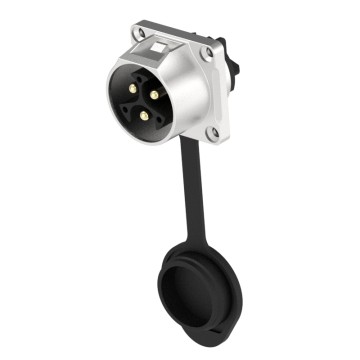
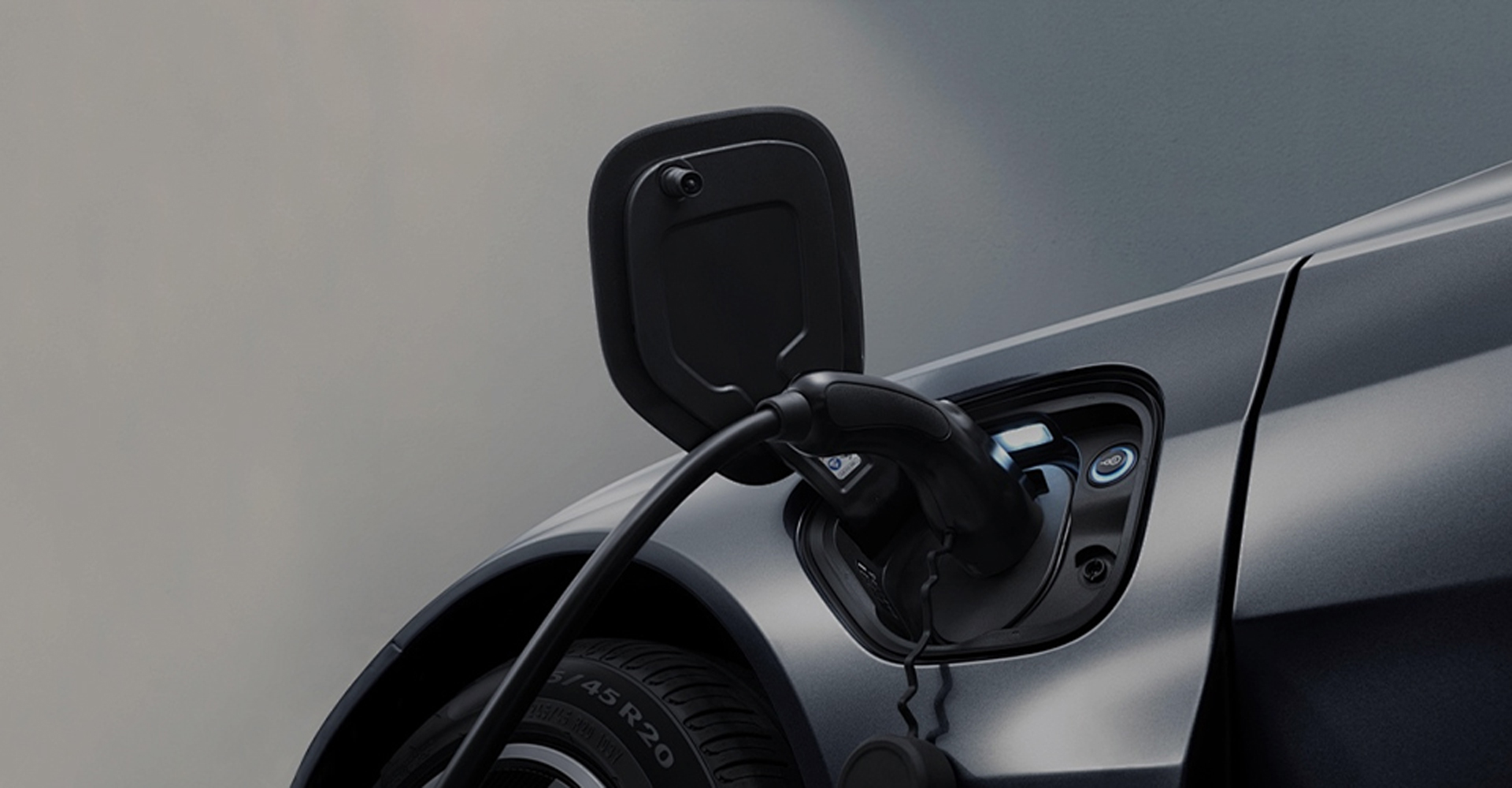
Residential Energy Storage & EV Integration: The boundary between home appliances and automotive technology is blurring. Smart home energy storage batteries and wall-mounted EV chargers are now standard home appliances. These systems require high-current connectors (such as the MJ24 metal series) and heavy-gauge electrical wires capable of carrying high currents safely while communicating state-of-charge data back to the home automation server.
From a commercial standpoint, the manufacturing of electrical wires and connectors for smart home appliances is transitioning from a commodity market to a high-technology, custom-engineered sector. Appliance OEMs (Original Equipment Manufacturers) are increasingly seeking end-to-end connection solutions rather than purchasing bulk wires and generic plug components. This shift has elevated the importance of specialized R&D-focused manufacturers who can design, prototype, and certify custom cable harnesses that match the unique physical space and electrical profiles of modern, slimline smart appliances.
Furthermore, global regulatory bodies are tightening safety and environmental standards. Compliance with RoHS, REACH, and regional safety certificates (such as UL, CE, and VDE) is no longer optional. Manufacturers must invest heavily in advanced material science to formulate halogen-free, non-toxic insulation jackets that do not release hazardous gases in the event of thermal overload.
As we look toward the future of smart home technology, several key trends are shaping the development of electrical wires and connection systems:
Miniaturization of Connectors: As smart appliances become sleeker and packed with more features, the space available for internal wiring is shrinking. The industry is moving toward high-density connectors that can carry both high currents and multiple signal lines in a footprint that is 30% to 50% smaller than traditional connectors.
Sustainable and Circular Materials: With the growing emphasis on environmental sustainability, manufacturers are developing bio-based plastics and highly recyclable thermoplastic elastomers (TPE) for wire insulation. This reduces the carbon footprint of the appliance throughout its lifecycle and facilitates easier recycling at end-of-life.
Smart Self-Diagnostic Wiring: The integration of micro-sensors within the cable harness assembly is an emerging R&D front. These smart wires can detect localized temperature spikes, insulation degradation, or minor moisture ingress before a failure occurs, sending alert signals to the appliance's central processor to prompt preventive maintenance.
Jnicon Group is a high-tech enterprise specializing in advanced connection solutions. Our core product lines include industrial connectors, high-current connectors, controllers, 5G base station connectors, LED connectors, marine and yacht connectors, glass sintered connector, and communication cables. These products are widely used in diverse industries such as new energy vehicles (NEVs), energy storage, electric vehicles, solar inverters, AI automation, 5G communication, aerospace, oil exploration/production, high-speed rail, metro systems, LED lighting, and shipbuilding.
By leveraging our deep expertise in high-current and waterproof connection technologies, Jnicon Group is uniquely positioned to deliver premium-grade electrical wires and connector systems tailored specifically for the demanding requirements of smart home appliances and modern home automation networks.
The group covers over 20,000 sqm, with a total building area of more than 30,000 sqm.
The Group operates five subsidiary companies:

Both Shenzhen and Hunan factories are recognized as National High-Tech Enterprises. Our R&D team comprises 55 engineers, including over 20 senior engineers, 25 mid-level engineers, and 10 assistant engineers, with all graduated from prestigious universities in China.
Our highly specialized engineering team enables us to rapidly customize connection systems for smart home appliances, ensuring that factors like waterproof ratings, flame retardancy, and signal integrity are optimized for each client's unique application.

Innovation and intellectual property are central to our development strategy. To date, we have filed nearly 300 patents, with an average of over 80 new patent applications annually since 2019. Our annual R&D investment reaches approximately RMB 10 million, underscoring our position as a key national technology enterprise.

With this sealed air insulated system, there is no risk of gas leakage as the pressure inside and outside the cabinet remains the same.

Throughout its lifecycle, there’s no need for pressure monitoring or gas refilling, significantly reducing maintenance requirements.
Since the establishment of Shenzhen Jnicon Technology Co., Ltd. in late 2013, the Group has experienced rapid and consistent growth. Since 2018, annual revenue growth has exceeded 200%, making Jnicon one of the fastest-growing companies in the domestic connector industry. By 2023, the Group had nearly 500 employees, with annual revenue reaching approximately RMB 300 million and total output value exceeding RMB 400 million.
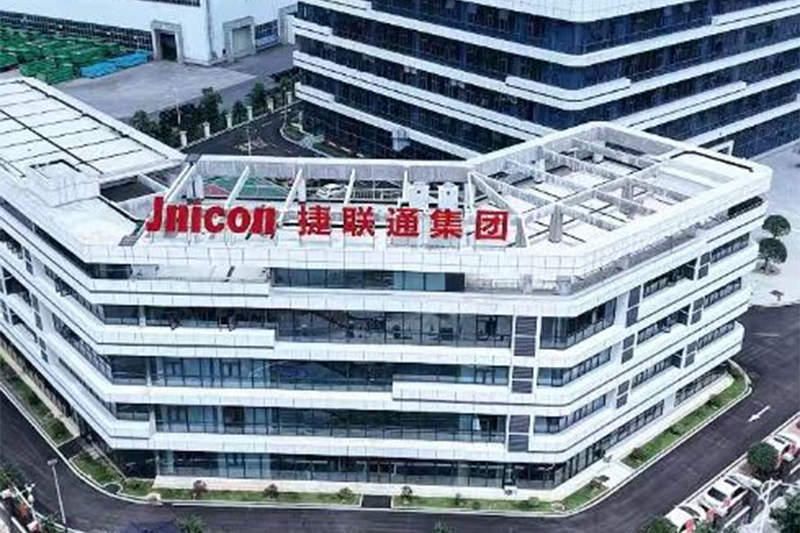
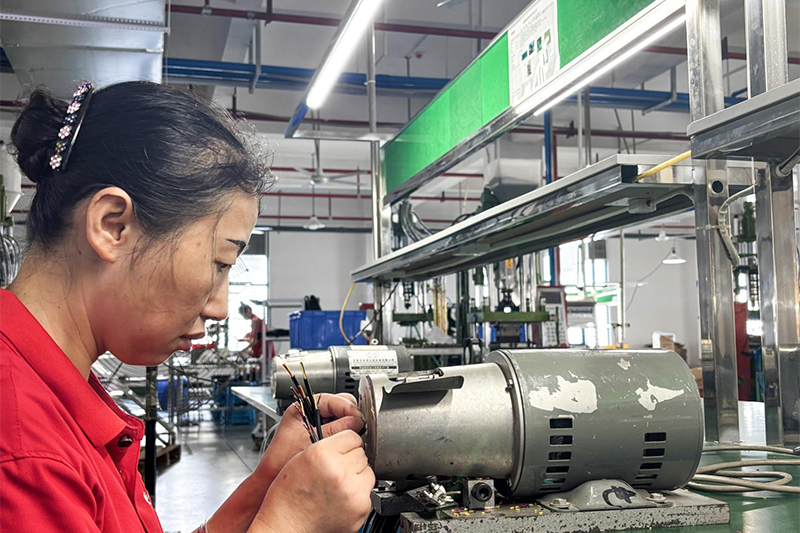
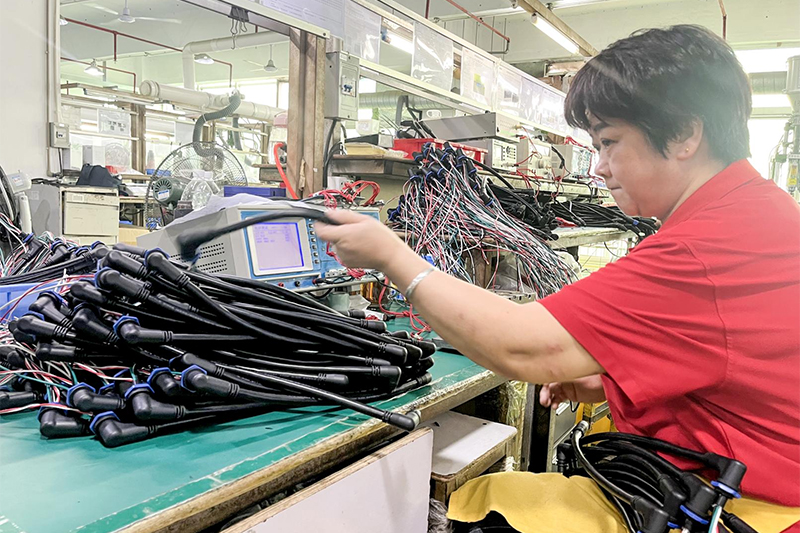
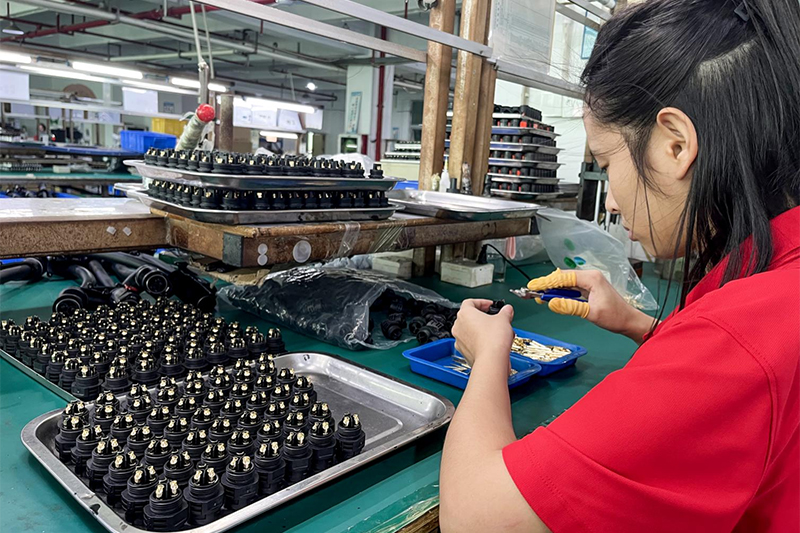
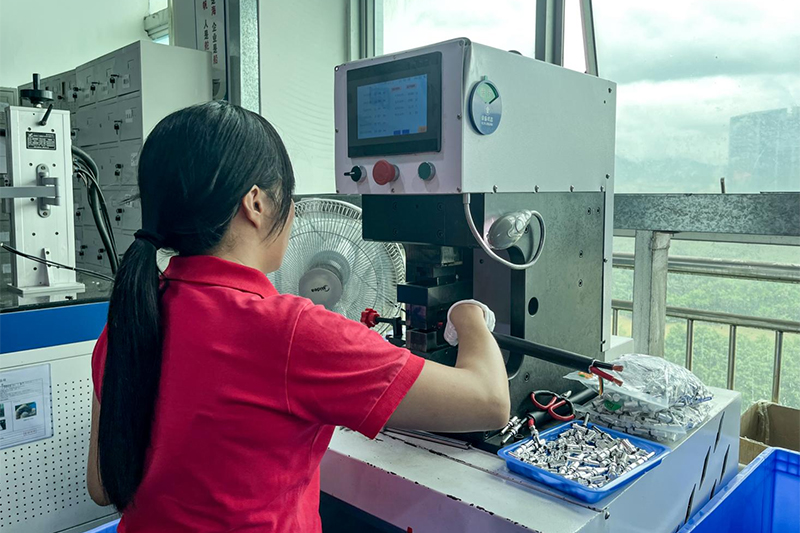
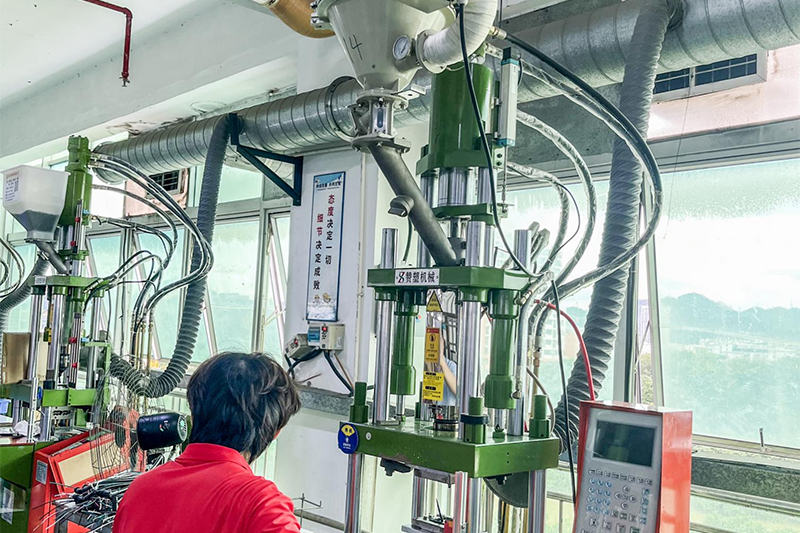
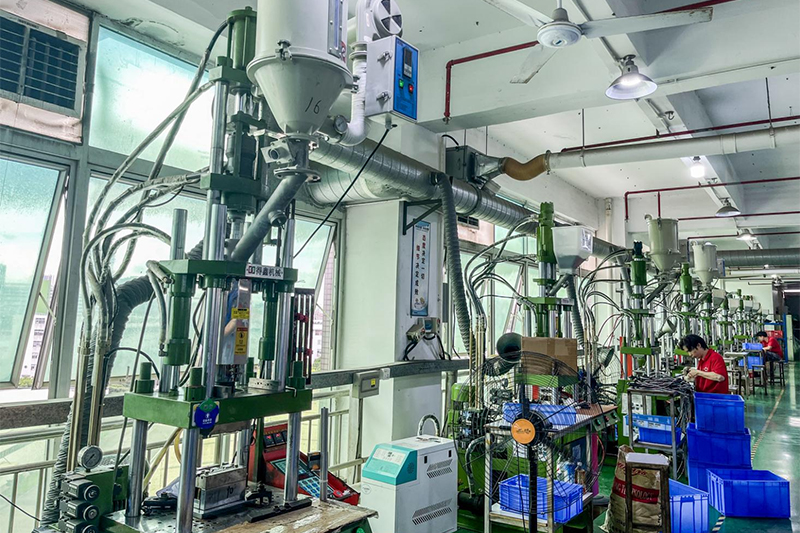
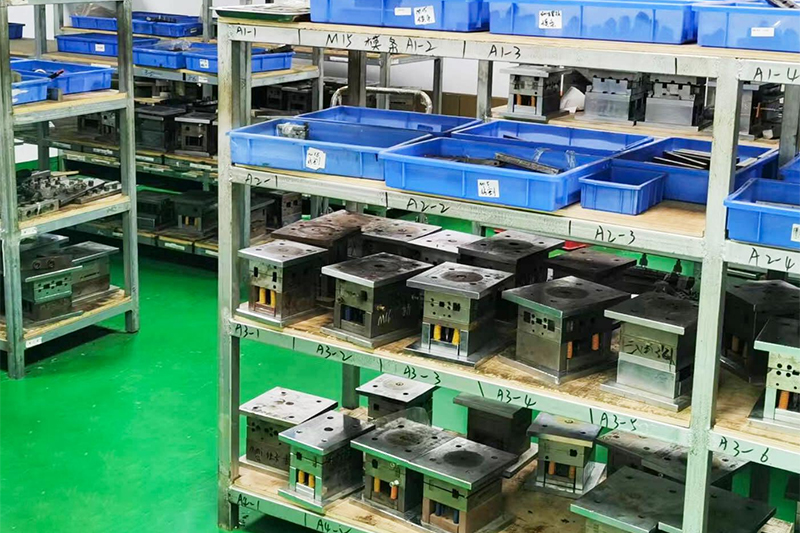
In late 2021, the Group's board of directors approved a strategic investment of RMB 400-500 million in Shaoyang, Hunan Province, to expand the industrial chain and establish a new headquarters economy. The project covers a self-owned construction area of around 30,000 square meters and is expected to generate annual output exceeding RMB 1 billion.
Upon full completion, it will become the largest high-current connector manufacturing base in China, supporting the Group's goal of listing on the ChiNext Board by 2029. This massive expansion ensures that we have the manufacturing capacity and technical scale to support high-volume global demands for smart appliance wire harnesses and advanced connectors.


