
Leave Your Message
In the rapidly advancing landscape of Industrial Automation Control, the demand for high-performance communication connectors has never been greater. As factories transition to Industry 4.0, the "nervous system" of the production line—comprising sensors, controllers, and actuators—relies entirely on the integrity of its physical connections. A Communication Connector For Industrial Automation Control is no longer just a passive component; it is a critical enabler of real-time data exchange, power distribution, and system reliability.
The shift from traditional fieldbus systems to Industrial Ethernet requires connectors that can handle Gigabit speeds without signal loss.
Modern connectors must withstand vibration, chemical exposure, and moisture, maintaining IP67/IP68 ratings in harsh factory environments.
The rise of collaborative robots (cobots) demands compact, lightweight, and high-density connectors for multi-axis movement.
Today, the global market for industrial connectors is driven by the need for miniaturization and modularity. Engineers are looking for solutions like the M12 and M25 series that offer "plug-and-play" simplicity while ensuring that downtime—often costing thousands of dollars per minute in automotive or semiconductor manufacturing—is virtually eliminated.
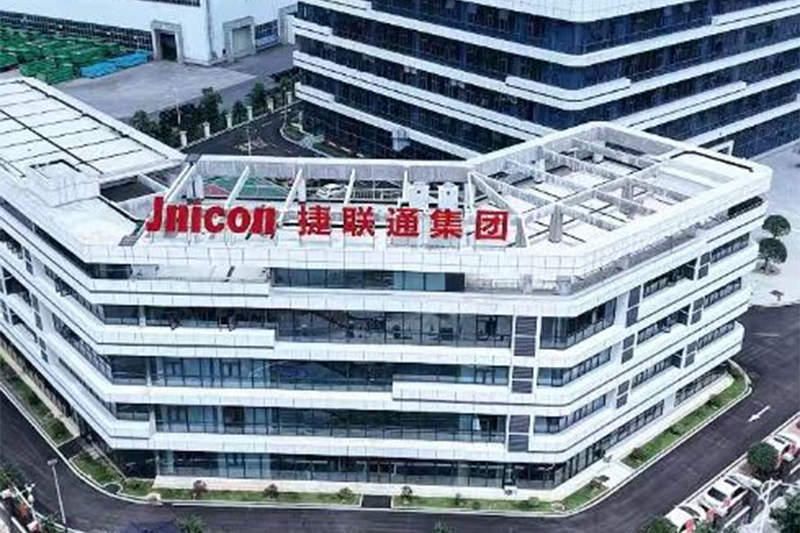
The group covers over 20,000 sqm, with a total building area of more than 30,000 sqm.
The Group operates five subsidiary companies including Hunan Jnicon New Energy and Shenzhen Jnicon Technology.
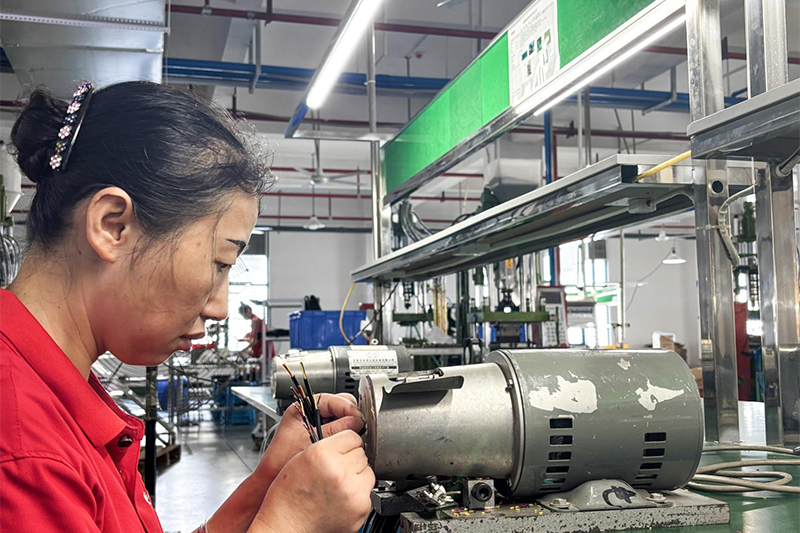
Our R&D team comprises 55 engineers, including over 20 senior engineers. Both Shenzhen and Hunan factories are recognized as National High-Tech Enterprises.


The application of a Communication Connector For Industrial Automation Control spans across multiple sophisticated layers of modern infrastructure. Let's explore where these components play a pivotal role:
In high-speed assembly lines, robotic arms move with precision and repeatability. Connectors like the M16 and M23 series are used to transmit encoder signals and power. They must endure millions of torsion cycles. Jnicon’s specialized shielding technology ensures that electromagnetic interference (EMI) from high-power motors does not corrupt sensitive data signals.
Programmable Logic Controllers (PLCs) are the brains of the factory. Connections to distributed I/O modules require reliable M12 waterproof connectors to ensure that sensor data from the field reaches the controller without latency. In food and beverage processing, these connectors must also be resistant to high-pressure washdowns and caustic cleaning agents.
As the world pivots to green energy, industrial automation is used to manage Battery Management Systems (BMS). High-current connectors (like the M40 series) are essential for connecting battery modules, while communication connectors monitor temperature, voltage, and state-of-charge. The reliability of these connections is paramount to prevent thermal runaway and ensure system safety.
With the integration of 5G in factories, edge computing nodes require ruggedized communication connectors to handle massive data throughput. These connectors facilitate the low-latency communication required for Augmented Reality (AR) maintenance and AI-driven visual inspection systems.
Sealed air insulated systems with no risk of gas leakage, ensuring long-term stability in industrial cabinets.
Since 2018, annual revenue growth has exceeded 200%, with 2023 revenue reaching RMB 300 million.
Strategic investment of RMB 400-500 million in Hunan to establish the largest high-current connector base in China.


Looking ahead, the Communication Connector For Industrial Automation Control market is moving toward several key technological frontiers:
Jnicon Group is at the forefront of these trends, continuously iterating on our IP67/IP68 waterproof designs and high-density pin configurations to meet the demands of tomorrow's autonomous factories.
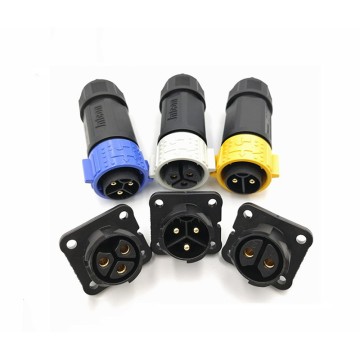 M25 Quick-Lock IP67 Waterproof Connector
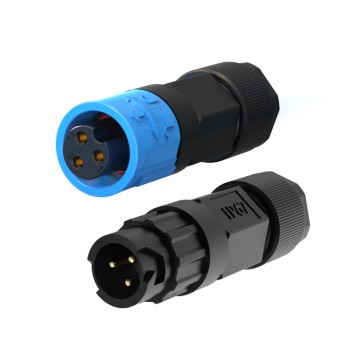 M12 Waterproof Connector Cable (Push Lock)
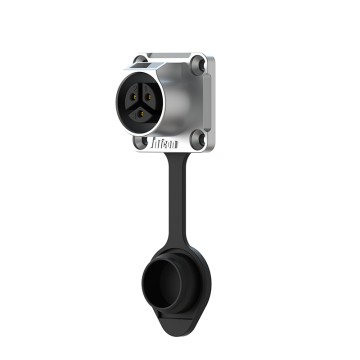 Jnicon Power Solar Quick Lock Metal Socket
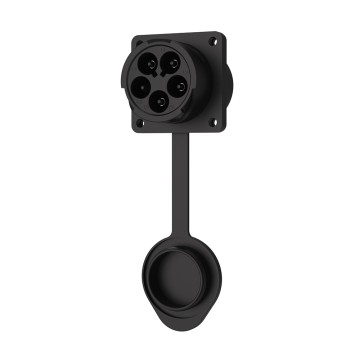 M40 Circular Power Plug (High Current)
M12 Circular Sensor Cable Connector
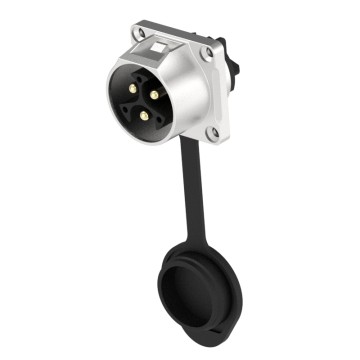 IP67 MJ24 New Energy Waterproof Connector
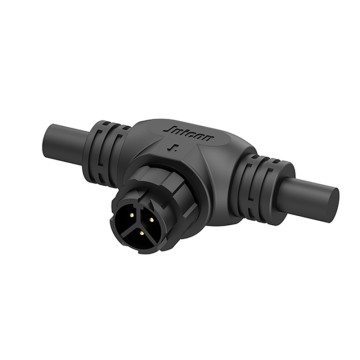 M16 IP67 Multi-Pin Signal Connector
M40 High-Current IP67 Connector for Outdoor