Picking the right connector electrical terminal is actually pretty important, whether you're working on a small project or something bigger. Honestly, choosing the wrong one can cause all sorts of headaches—failures, safety issues, you name it. That’s why it’s smart to understand what factors matter so you can make a well-informed choice.
Each connector terminal has its own specs—things like current ratings, voltage limits, and the materials used. Going for high-quality connectors really pays off since they'll perform better and last longer. Also, don’t forget to think about where you’ll be using them—the temperature and humidity can really impact how reliable your connectors are.
Experience helps a lot here, so if you’re unsure, chatting with pros or trusted suppliers can give you some good insights. Let’s be honest, the options can be pretty overwhelming at first. Taking the time to do a bit of research can save you from making costly mistakes. The key is to find a good balance between what you need, how dependable the connector is, and what it costs. That way, you’ll get the best results without breaking the bank.
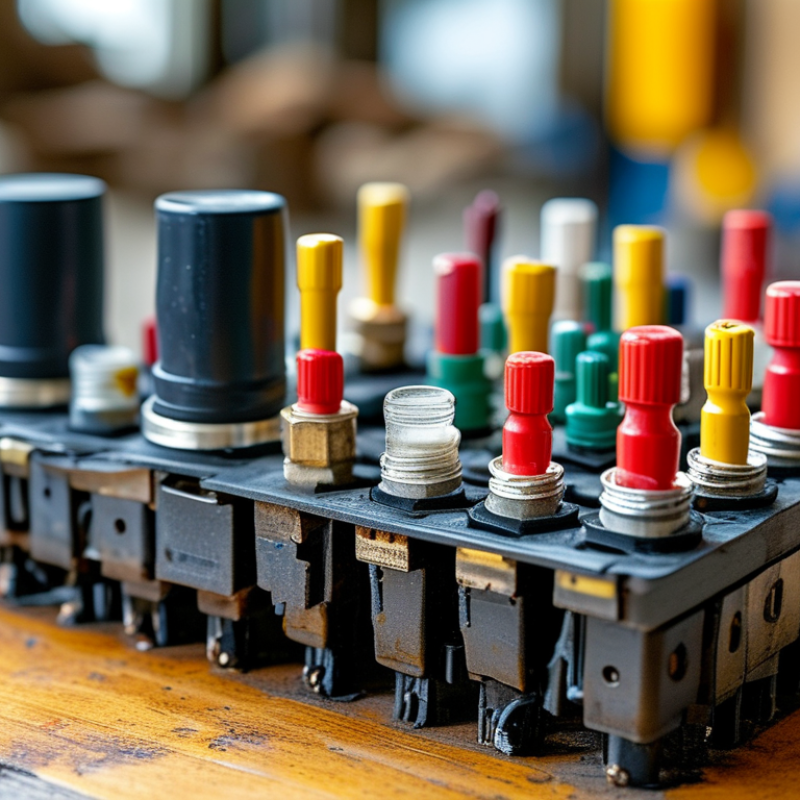
Understanding Electrical Connectors: The Basics
Understanding electrical connectors is crucial for anyone involved in electronics. Connectors serve as the bridge between different parts of a circuit. They play a vital role in ensuring that electricity flows smoothly. A well-chosen connector can enhance the longevity and reliability of a device. However, choosing the right one requires understanding key factors.
Different types of connectors exist, each designed for specific applications. The choice of connector hinges on several aspects, such as the environment, voltage levels, and current requirements. For instance, harsh conditions necessitate robust connectors that resist temperature and moisture. Consideration of material is also vital. Is the connector made of metal or plastic? Metal often provides better conductivity but may be prone to corrosion.
Many overlook the importance of connector size. A connector that’s too small may not handle the required load. Meanwhile, one that’s too large may lead to space constraints. Connecting wires must also fit snugly. Loose connections can cause arcing, resulting in device failure. Attention to detail in these elements leads to better performance. Reflecting on these points helps inform a sound choice.
Types of Electrical Terminals and Their Applications
When selecting the right Connector Electrical Terminal, understanding their types and applications is crucial. There are several categories of electrical terminals: spade terminals, ring terminals, and bullet terminals, each serving specific functions. Spade terminals, for instance, are ideal for quick connections. They are often found in automotive and industrial applications due to their reliability.
Meanwhile, ring terminals offer a secure connection for grounding applications. According to industry reports, they provide a lower chance of connection failure, making them valuable in critical systems. Bullet terminals, on the other hand, allow for flexible and quick disconnections, which is essential in situations requiring frequent access to the connection point.
Research shows that choosing the correct terminal type can impact overall electrical performance. A misapplied terminal may result in overheating or failure. This highlights the need for careful consideration when selecting a Connector Electrical Terminal. It's important to think about current ratings, environmental conditions, and the intended use case. Each application demands a different approach, and even minor details can significantly affect reliability and safety.
Key Factors to Consider When Choosing Connectors
Choosing the right electrical connector terminal is crucial for functionality and safety. Key factors must be considered. First, the amperage rating is fundamental. Connectors must handle the required current without overheating. According to a 2021 industry report, 40% of electrical failures stem from poor connector choices.
Next, temperature ratings come into play. Connectors often operate in varying environments. A failure to account for temperature can lead to performance issues. A study from the International Electrotechnical Commission (IEC) highlights that 30% of connector failures occur in extreme conditions.
Material selection is another critical aspect. Different materials conduct electricity differently. Copper, for example, often provides better conductivity than most alternatives. Additionally, surface treatments enhance resistance to corrosion. Regular assessments of connector performance in a specific environment ensure reliability. It's evident that making informed decisions can prevent future issues.
Compatibility: Ensuring Terminals Fit Your Wiring Needs
When choosing the right connector electrical terminal, compatibility is key. Every wiring project has specific needs based on gauge and insulation type. A properly fitting terminal ensures a secure connection and reduces the risk of shorts or failures. It’s essential to match dimensions with your wire. This includes checking the terminal's diameter and insulation depth. Small discrepancies can lead to significant issues.
It's common to overlook minor details, like the material of the Terminal Connector Electrical. Different materials, such as copper or aluminum, have varied conductivity and corrosion resistance. While copper offers better conductivity, it can oxidize over time. On the other hand, aluminum terminals can be lightweight but may require coatings for protection.
Consider application-specific needs as well. High-temperature environments demand materials that can withstand heat without degradation. In contrast, marine applications require terminals that resist saltwater corrosion. Each environment poses unique challenges. Evaluating your project’s specific demands is crucial. Many users find themselves regretting a hasty choice that leads to failures later. The goal is not just to connect, but to ensure longevity and reliability.
2026 Electrical Terminal Compatibility Analysis
Material Selection: Choosing the Right Conductive Materials
When selecting conductive materials for Electrical Wire Terminal Connectors, understanding material properties is essential. Conductivity, thermal resistance, and corrosion resistance play key roles. For example, copper is widely favored due to its high conductivity, often reaching 58.5 MS/m. Conversely, aluminum is lighter and less expensive. However, its conductivity is only about 37.5 MS/m, which can pose challenges in certain applications.
Corrosion can significantly degrade electrical performance. Hence, coatings like tin or gold are often applied to connectors. A report by the Electronics Industry Association highlights that over 30% of connection failures result from poor material choices. A study also showed that 25% of users reported connector issues in humid environments. This indicates the need for careful consideration of the operating environment when choosing materials.
Lastly, while higher conductivity is generally desirable, it can come at a cost. Using premium materials may not always align with project budgets. Thus, a balance must be struck between performance and cost, ensuring reliability without overspending. Thoughtful material selection for electrical wire terminal connectors can mitigate long-term issues.
Environmental Considerations in Connector Selection
When selecting electrical connectors, environmental factors play a crucial role. Different environments pose unique challenges. For instance, connectors used in coastal areas must resist corrosion from saltwater. Choosing materials like stainless steel or special coatings can enhance durability.
Another critical consideration is temperature variation. Connectors operate in a range of conditions, from extreme cold to high heat. Selecting the right insulating materials is vital to prevent failure. Some materials may become brittle in low temperatures, while others can melt in heat. It's a balance of properties that needs careful evaluation.
Beyond technical specifications, think about the total lifecycle of the connector. Recycling options and environmental impact should not be ignored. A connector might perform excellently but could negatively affect our planet at disposal. Each choice carries weight, impacting both function and our responsibility to the environment. Remember, there’s always room for improvement in selecting sustainable options.
2026 How to Choose the Right Connector Electrical Terminal? - Environmental Considerations in Connector Selection
| Connector Type |
Material |
Temperature Rating (°C) |
Environmental Rating |
Recyclability |
Applications |
| JST Connector |
Polyamide |
-40 to 105 |
IP67 |
Yes |
Consumer Electronics |
| Molex Connector |
Polyethylene |
-40 to 85 |
IP68 |
Yes |
Automotive |
| TE Connectivity |
PVC |
-40 to 125 |
IP66 |
Yes |
Industrial Automation |
| Amphenol Connector |
Aluminum |
-55 to 150 |
IP69 |
Yes |
Telecom |
Safety Standards and Certifications for Electrical Terminals
When selecting electrical terminals, safety standards and certifications are crucial. The International Electrotechnical Commission (IEC) sets widely recognized standards for electrical connectors. Compliance with these standards ensures that terminals can withstand various environmental conditions. For example, connectors in industrial settings must resist dust and moisture. This is specified under IEC 60529, which classifies ingress protection ratings.
In a 2022 report by the National Electrical Manufacturers Association, data showed that over 75% of electrical failures stemmed from inadequate terminal connections. This underscores the importance of choosing terminals with proper certifications. A suitable Wire Terminal Connector should carry certifications like UL (Underwriters Laboratories) or CE marks. These certifications are indicators of safety and reliability in electrical systems.
However, not all connectors meet these rigorous standards. Some manufacturers may cut corners, leading to installations that fail prematurely. It's vital for engineers and technicians to thoroughly evaluate certification claims. Relying solely on brand reputation might lead to costly mistakes. Regular audits and inspections are necessary to ensure the chosen terminals consistently perform to safety standards.
The Ultimate Guide to M15 Waterproof Electrical Connectors for Reliable Outdoor Lighting Solutions
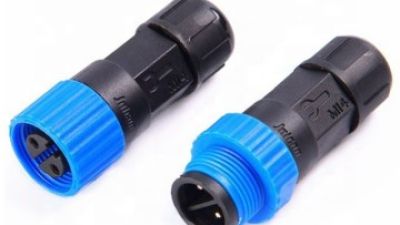
When it comes to reliable outdoor lighting solutions, the choice of electrical connectors plays a crucial role in ensuring durability and safety. The M15 waterproof electrical connector stands out as an exceptional option designed specifically to meet National Street Light Standards. Its robust construction and high protection level of IP68 make it exceptionally suited for harsh outdoor environments, providing peace of mind in challenging weather conditions.
The versatility of the M15 connector is another advantage, offering a variety of types including Parallel F, Series F, Y, and T configurations, with options to be supplied with or without cables. The screw locking mechanism further enhances its reliability, ensuring a secure connection that can accommodate a maximum rated current of up to 10A. With pin configurations available from 2 to 5 pins, this connector can be customized to meet specific application needs, integrating both power and signal transmission seamlessly.
Constructed from high-performance PA66 plastic, the M15 connector is designed to fulfill the rigorous demands of outdoor projects. As a leader in the manufacturing of electrical connectors, various connection modes are available to cater to individual requirements, ensuring that customers receive a solution that fits their unique applications. Whether for street lighting or other outdoor setups, the M15 offers a comprehensive and dependable connection solution.
FAQS
: Electrical connectors link different parts of a circuit, allowing electricity to flow efficiently.
The correct size ensures proper load handling. Too small can lead to overheating; too large may cause space issues.
Key factors include amperage rating, temperature ratings, material type, and specific application needs.
Copper conducts electricity better but can corrode. Aluminum is lighter but may need coatings for corrosion resistance.
Temperature ratings are critical. Neglecting them can lead to connector failures, especially in extreme environments.
Users often overlook details like material and fit, leading to connection failures that could have been avoided.
Match the terminal's dimensions, diameter, and insulation depth with your wire to reduce risk of shorts or failures.
Poor choices can lead to overheating, device failures, and increased maintenance needs over time.
Reflecting helps identify potential issues before they arise, improving device longevity and reliability.
Regular assessments of material performance and environmental factors can help maintain reliability and prevent future issues.
Conclusion
When choosing the right connector electrical terminal, it is essential to understand the fundamentals of electrical connectors and the various types available, each designed for specific applications. The decision-making process should take into account multiple factors, including compatibility with existing wiring, the selection of suitable conductive materials, and environmental considerations that could impact performance.
Additionally, adherence to safety standards and certifications is crucial to ensure reliability and longevity in electrical connections. By carefully assessing these elements, one can ensure optimal functionality and safety in their electrical systems, ultimately leading to more efficient and effective connections.