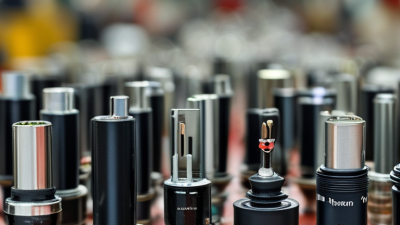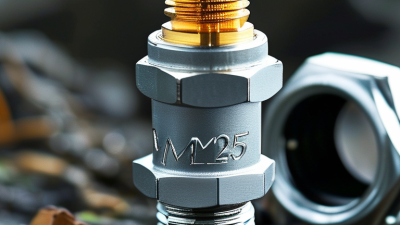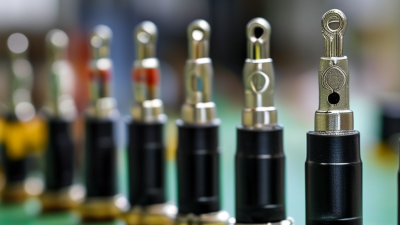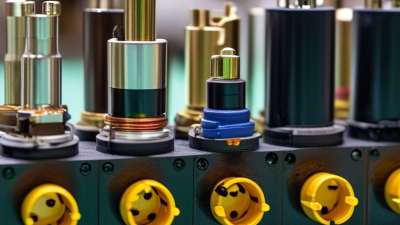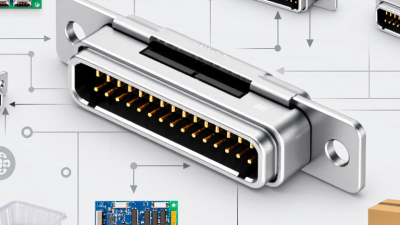
Top Hybrid Inverter Male Connectors for Power Plug Wires
Picking the right male connector for your hybrid inverter isn’t just a small detail — it can make the difference between safe operation and avoidable faults. When you're shopping for power plug wire hybrid inverter male connectors, it’s crucial to ensure they match up with the voltage, current, cable size, insulation, and the environment where they'll be used. Sometimes, a connector might look exactly the same on a screen, but after a few installs, it feels pretty loose — and that tiny gap? It really does matter.
Elena Brooks, a Senior Power Systems Engineer at NorthBridge Electrical Solutions, puts it simply: “A reliable connector begins with the entire power path, not just the connector’s shell.” That’s her way of saying, it’s all about how well it fits and performs in real-world conditions. When installing, don’t just trust the shiny plastic housing — definitely check the contact pressure, locking mechanism strength, polarity markings, and resistance to heat. Oh, and make sure it's compatible with the inverter manufacturer's wiring instructions. Because, honestly, a glossy look on its housing doesn’t guarantee it’s good quality.
Now, you might see in product listings or catalog codes a phrase like Power Plug Wire Hybrid Inverter Male Connectors No. Before hitting ‘buy,’ double-check what that ‘No’ really means — it could be a model number, a position in a series, or a packaging detail. Jumping to conclusions can lead to costly returns, especially if the specs are a bit vague.
This guide covers some of the top connector options whether you’re working on residential setups, commercial projects, or portable systems. We look at materials like copper contacts, weatherproofing, touch protection, cable retention features, and how easy or tricky they are to install. Remember, real-world conditions — dust in enclosures, tight spaces around terminals, or working with gloves in cold weather — all matter. There’s no one-size-fits-all connector that wins every scenario. That’s honestly the frustrating part.
Even experienced techs tend to double-check polarity before they power up a circuit. It’s all about measuring the fit and making sure everything’s aligned, rather than just trusting how it looks. They also note down what model they picked and how the cable is matched up. These little habits may seem simple, but they really help in making installations safer and more reliable. Of course, the landscape keeps changing — new inverter designs and regional rules can throw curveballs, so always stay on your toes.
Read more »